The History of Snape Maltings
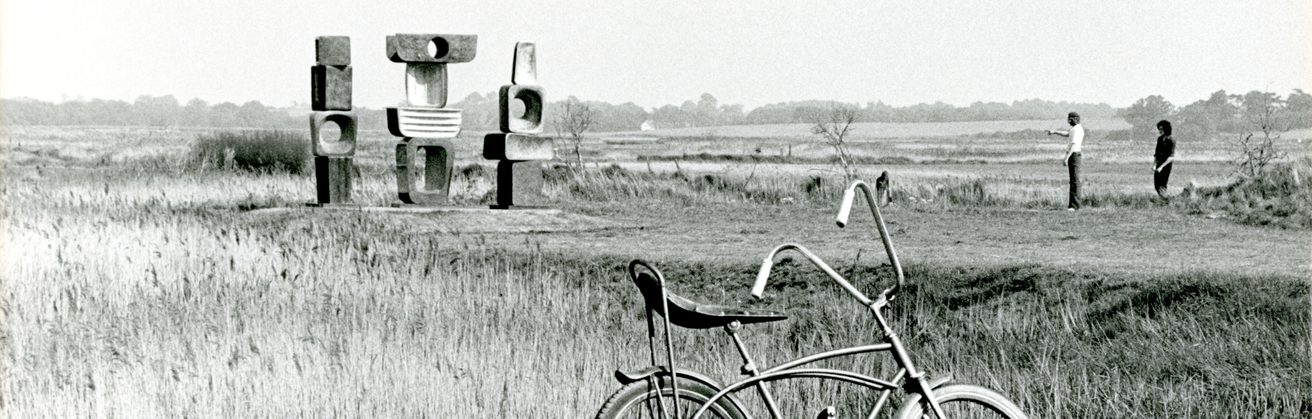
While Snape Maltings’ history as an industrial site stretches back over 175 years, the Snape Maltings we know and love today can be traced back to composer Benjamin Britten and landowner George Gooderham, who both recognised the potential of the striking Maltings buildings and their stunning location.
The early Maltings
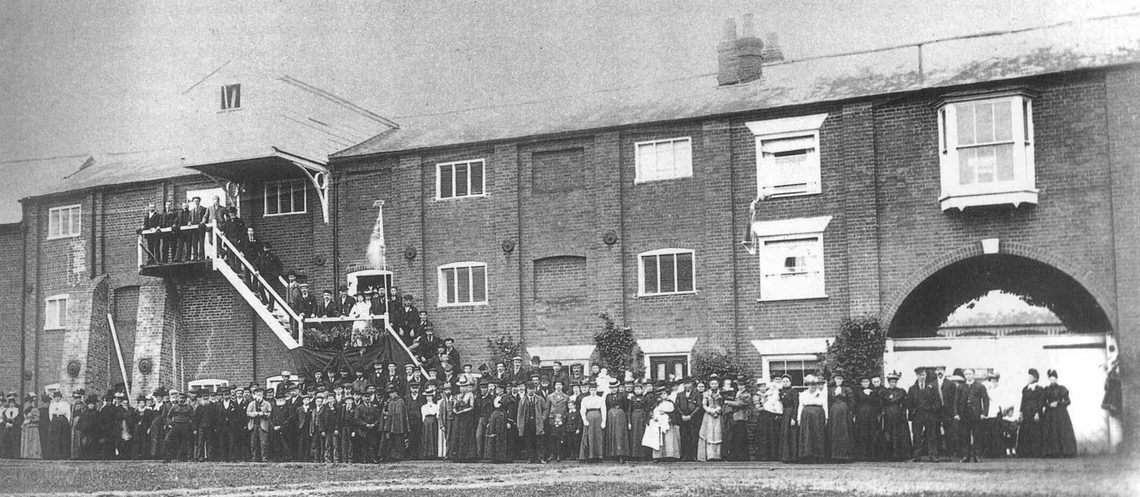
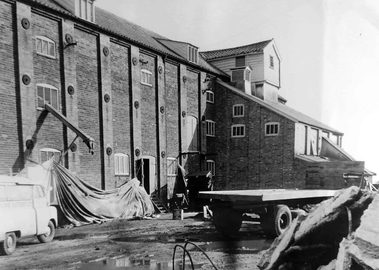
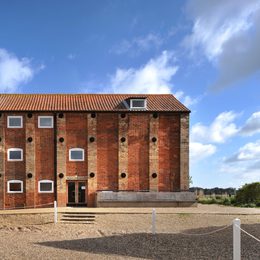
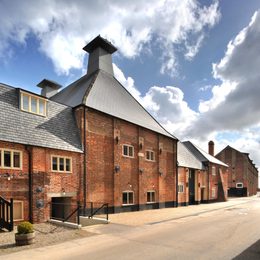
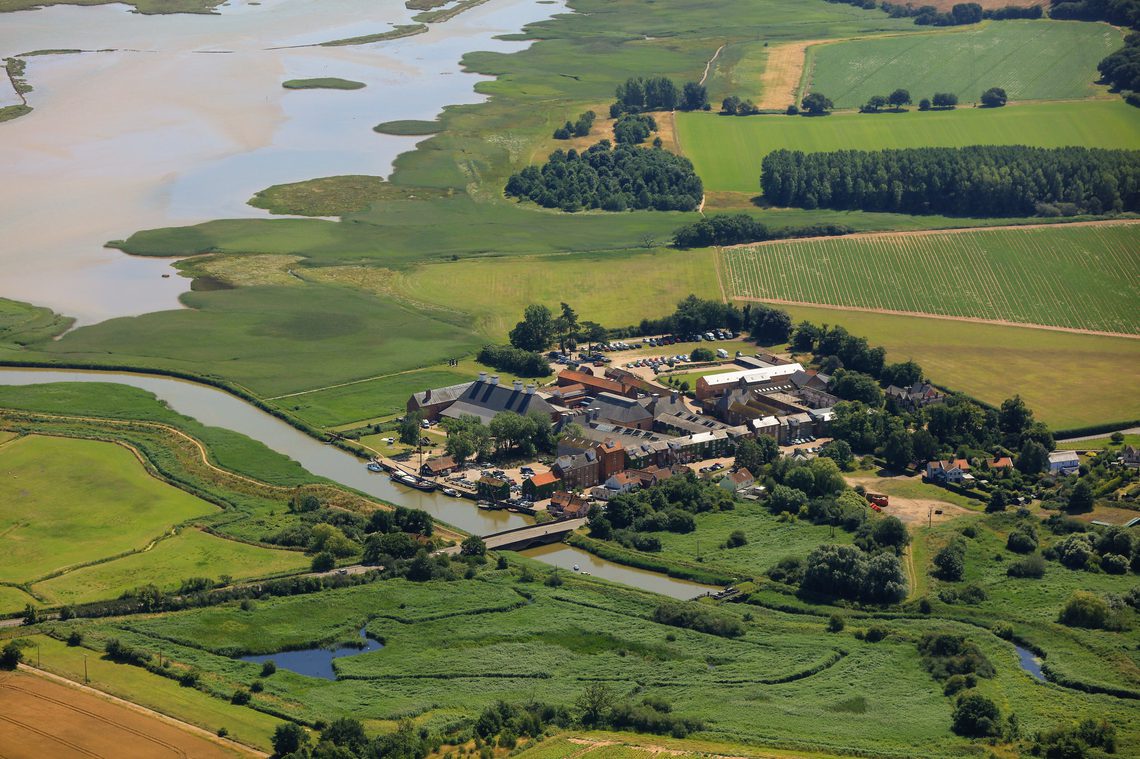
In the early 19th century Snape Bridge was the home of a busy shipping port. In 1841 Victorian industrial entrepreneur Newson Garrett started the construction of Snape Maltings in order to malt barley – used by breweries in the production of beer – which was then shipped by barge to London and around the country.
The business expanded quickly and thrived for decades as demand from breweries increased. A purpose-built branch of the East Suffolk railway line was built to Snape Maltings to support the business and from 1859 until 1960 up to three trains a day would run to and from the Maltings. At full industrial use Snape Maltings grew to some seven acres of buildings and was one of the largest flat floor maltings in the country.
The Maltings closes
By 1965 the Maltings had become inefficient and outdated and so, after 120 years of production, the malting of barley ceased, and the site was purchased by Suffolk farmer George Gooderham.
Meanwhile the composer Benjamin Britten had founded the Aldeburgh Festival of Music and the Arts, five miles from Snape, in 1948. The Festival quickly established an international reputation, outgrowing its small venues in Aldeburgh and other locations around the Suffolk coast, and Britten therefore explored ways to create a larger venue.
Image gallery
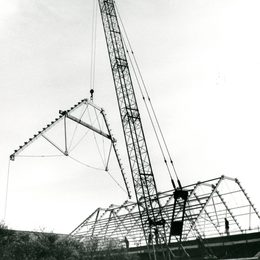
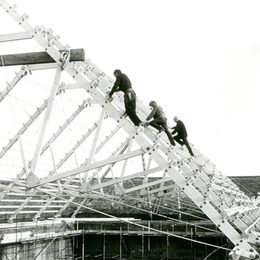
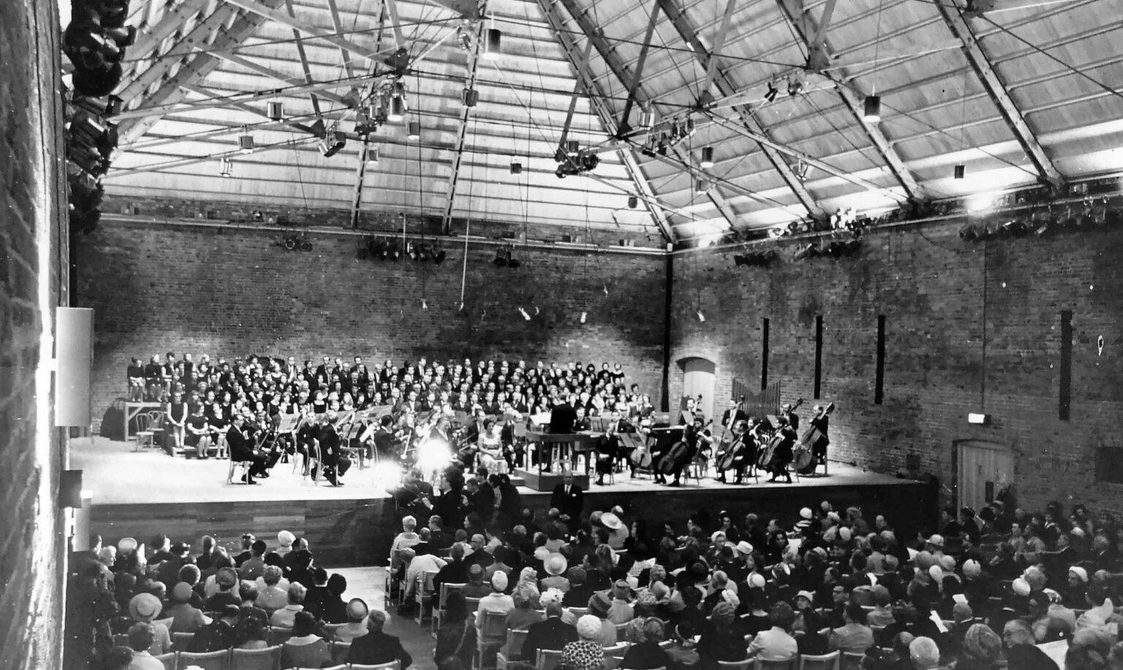
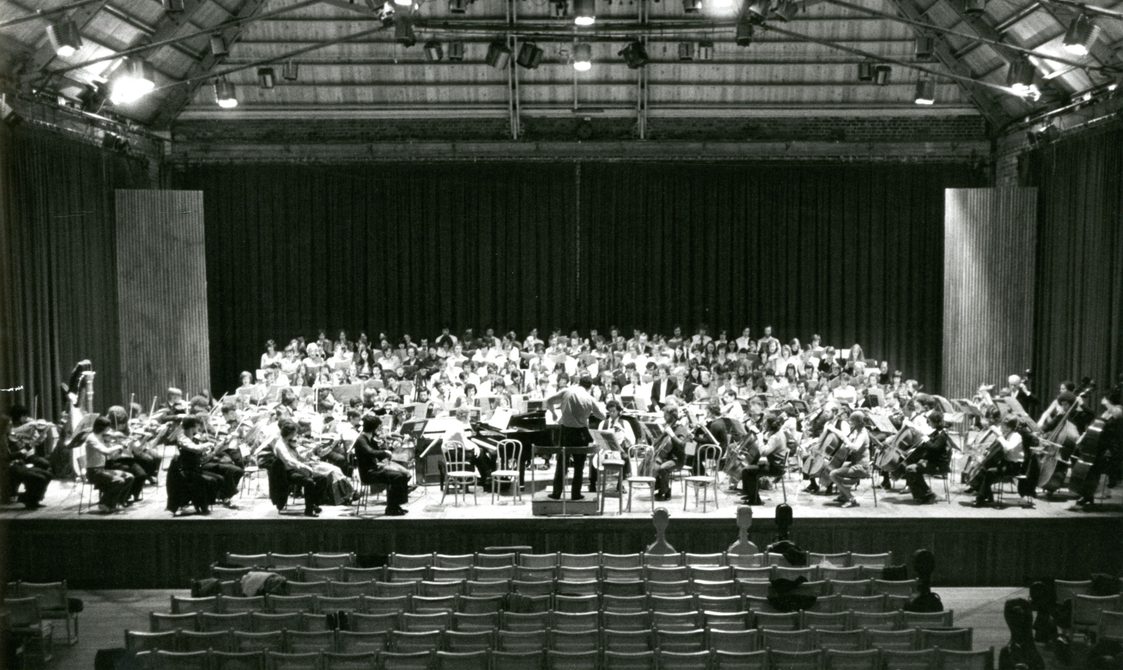
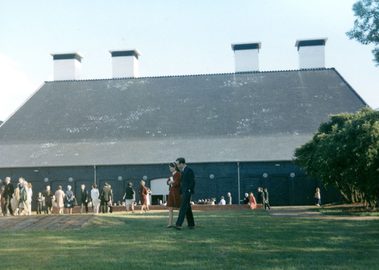
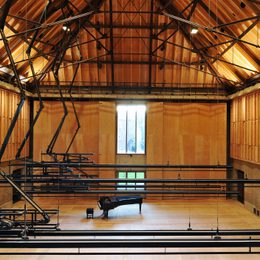
In 1965 he leased the largest building at Snape Maltings from George Gooderham to order to convert it into the 810-seat Snape Maltings Concert Hall, which was opened by HM Queen Elizabeth in 1967. This became the home of the Aldeburgh Festival and a venue internationally renowned for the superb quality of its acoustic. It was one of the earliest examples of an industrial building being repurposed for arts use.
The Hall suffered serious fire damage two years later, re-opening in time for the Aldeburgh Festival in 1970.
Image gallery
A gallery slider
The site develops
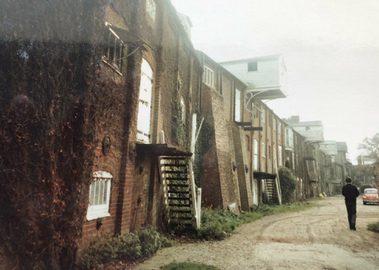
From 1967 to 2015 the commercial and artistic parts Snape Maltings developed side by side. The Gooderham family gradually created an independent retail complex, while Britten and his successors expanded beyond Snape Maltings Concert Hall to create a musical campus that would enable his vision of a place for not only an international performance programme but also work with young artists, education and community engagement.
The retail and residential complex went under the banner of Snape Maltings, while the organisation running the music and arts activity became known as Aldeburgh Music, making clear that the work was the year-round expansion of the ideas and vision at the heart of Britten’s Aldeburgh Festival.
The Aldeburgh Festival always had a distinctive feel, thanks to its mixture of stunning natural environment, international stars, up-and-coming artists and local community involvement.
Britten died in 1976, but his pioneering vision for a place international in its scope yet rooted in its local community has inspired his successors to convert many more former maltings buildings on the site to create one of the world’s great centres of music, a place filled with the energy of artists creating work throughout the year.
A Unified Site and Vision
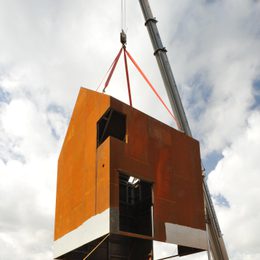
In 2006, Aldeburgh Music and the Gooderham family put together an ambitious scheme which enabled Aldeburgh Music to purchase the Concert Hall, the Britten Pears Building and a number of adjacent buildings, and for the Gooderhams to develop the remainder of the site. Aldeburgh Music’s creative campus opened in 2009, with many new spaces inside the Hoffmann Building, including the site’s second concert hall, the Britten Studio (capacity 340), enabling Aldeburgh Music to expand its artistic offering, leading to a year-round programme of events, artist development and education.
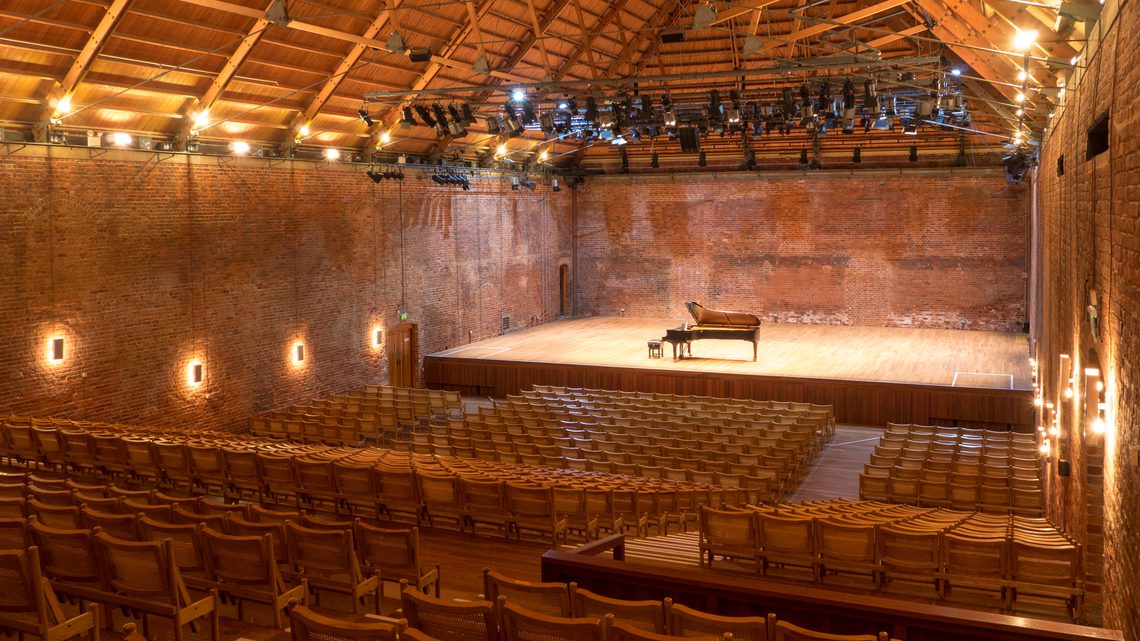
Image gallery
Meanwhile the Gooderham family continued to own and operate the remaining buildings at Snape Maltings, restoring and converting the buildings for high-quality residential and holiday accommodation, as well as running a highly successful retail business, which includes monthly farmers’ markets, and the annual Aldeburgh Food & Drink Festival, now one of the UK’s largest food festivals.
In 2015 the Gooderham family put its part of the site up for sale and Aldeburgh Music purchased it with help from Arts Council England. Following this, the two organisations have come together under the name of Snape Maltings to create a unified site with a unique range of music, retail, accommodation and dining, while Britten Pears Arts produces the Aldeburgh Festival and our year-round music events, creates opportunities for young artists and offers opportunities for children, young people, families and adults to engage with music.
The future
We continue to invest in the future of Snape Maltings so that our buildings, spaces and facilities can support artists, audiences, participants and communities for generations to come. Find out more here.
Image gallery
A gallery slider
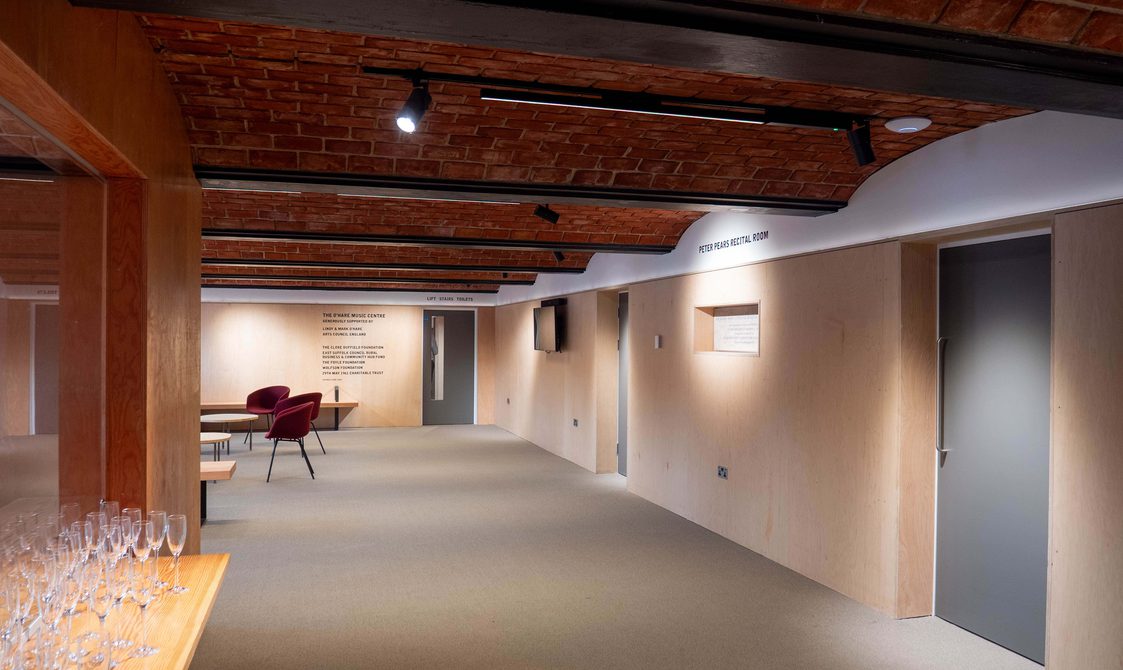
Britten Pears Foyer
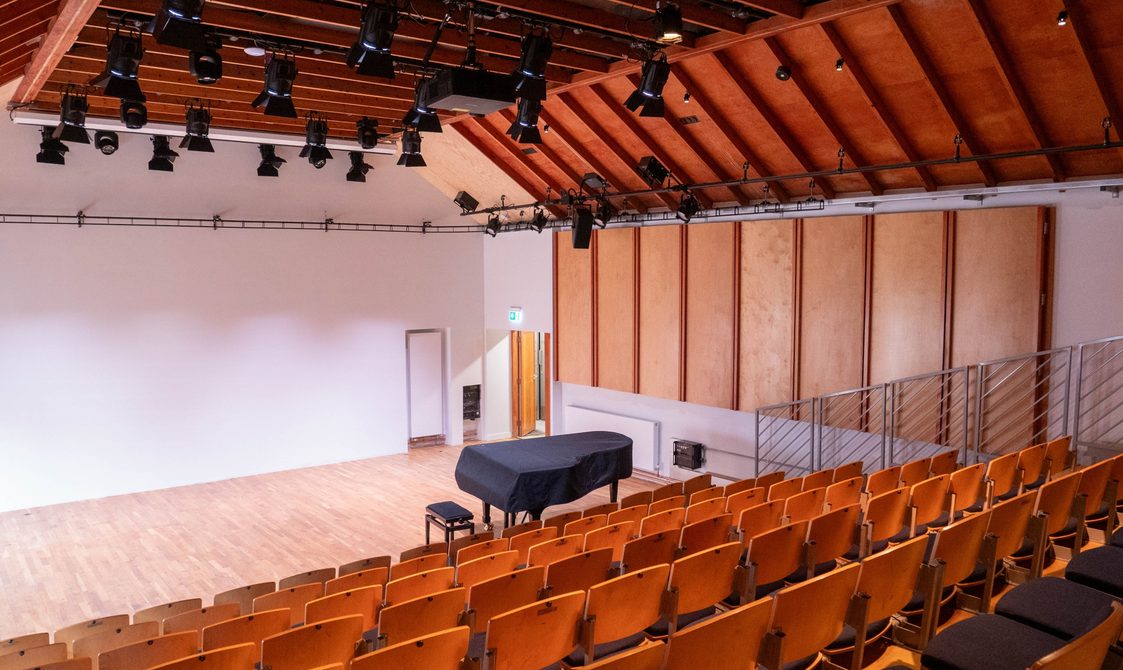
Peter Pears Recital Room
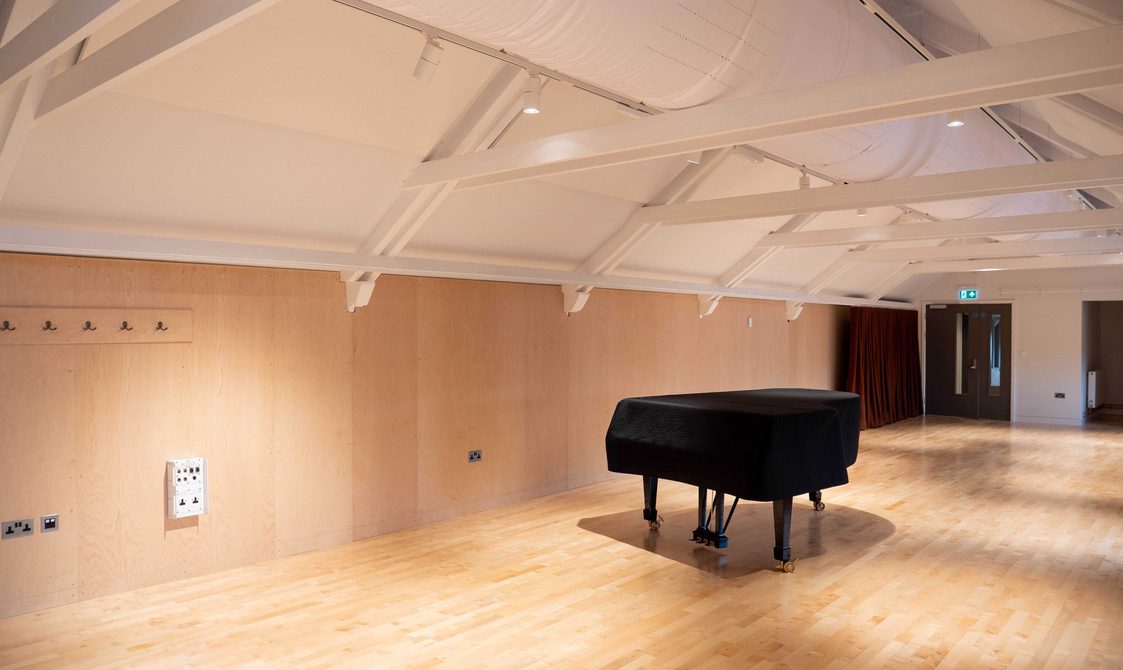
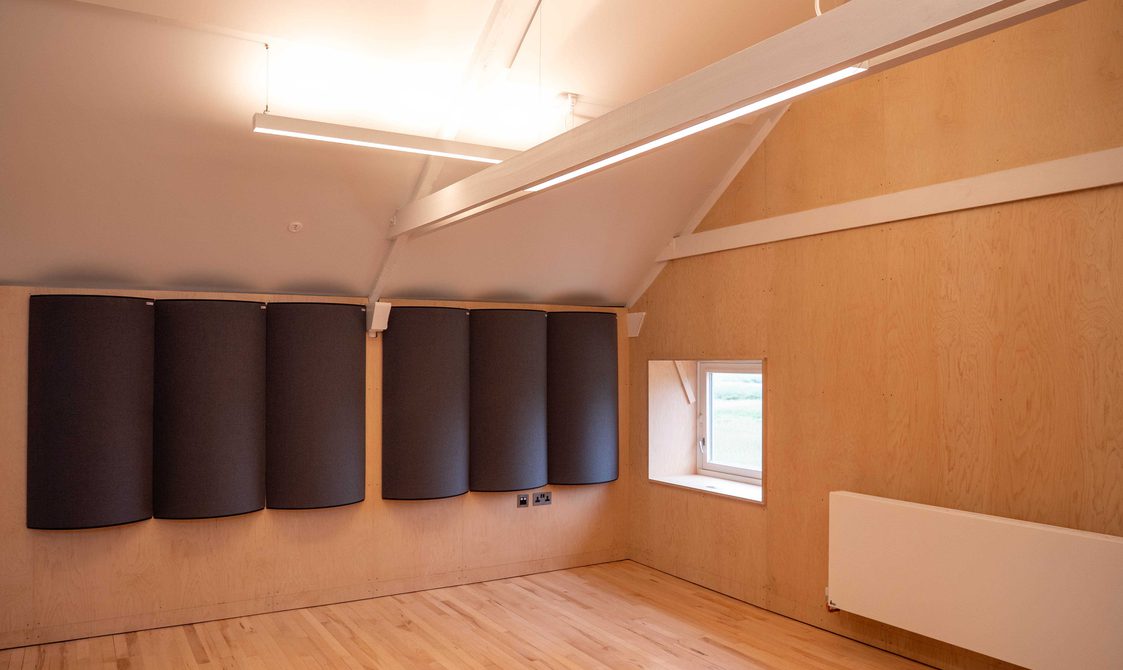
Clore Learning Space
Studio